Ingredients
To make approximately 8–10 Yorkshire puddings, you will need:
-
1 cup (125 g) all-purpose or plain flour
-
1 cup (240 ml) milk
-
4 large eggs
-
½ teaspoon salt
-
2–3 tablespoons vegetable oil, sunflower oil, or beef dripping
Beef dripping is traditionally used because it adds a rich, savory flavor. However, vegetable or sunflower oil works very well and is often more convenient. Avoid oils with very low smoke points because the fat needs to become extremely hot before the batter is added.
Preparing the Batter
The first step is to prepare the Yorkshire pudding batter. Place the flour in a large mixing bowl and add the salt. Make a small well in the center of the flour and crack in the eggs.
Using a whisk, begin mixing the eggs into the flour. Gradually add the milk while continuing to whisk. Adding the milk slowly helps prevent lumps from forming. Keep whisking until the mixture becomes smooth and has a consistency similar to thin cream.
The batter should be fairly runny rather than thick. If it appears unusually thick, add a small amount of additional milk. However, avoid adding too much liquid at once because you want to maintain the correct balance between flour, eggs, and milk.
Once the batter is smooth, allow it to rest for around 20–30 minutes. Resting is not absolutely essential, but it can help produce a lighter and more consistent texture. You can also prepare the batter several hours ahead and keep it covered in the refrigerator. If you refrigerate it, allow it to come closer to room temperature before cooking.
Preparing the Oven
Preheat your oven to 220°C (425°F). A very hot oven is one of the most important parts of making successful Yorkshire puddings.
While the oven is heating, place a muffin tin or Yorkshire pudding tin inside it. Add a small amount of oil or beef dripping to each compartment. You only need enough to cover the bottom, usually around ½–1 teaspoon per hole.
Put the tin back into the oven for approximately 10–15 minutes. The oil needs to become extremely hot. When the batter is poured into the hot fat, it should immediately begin to sizzle. This sudden heat helps the puddings rise rapidly and develop their characteristic crisp exterior.
Adding the Batter
Once the oil is very hot, carefully remove the tin from the oven. Be extremely cautious because the oil can cause serious burns if it splashes.
Quickly pour the prepared batter into the compartments. Fill each one approximately halfway to two-thirds full. Do not fill them completely because the batter will expand significantly as it cooks.
You should hear a gentle sizzling sound as the batter touches the hot fat. This is a good sign that the oil is hot enough.
Return the tin to the oven immediately. Try to work quickly so that the oil does not have enough time to cool down.
Baking the Yorkshire Puddings
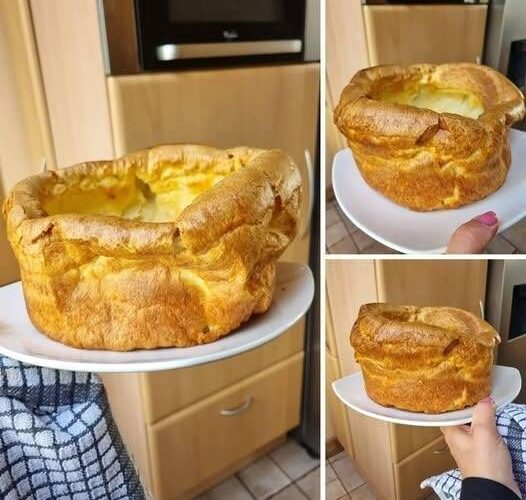
Bake the puddings for approximately 20–25 minutes. They should rise dramatically and become golden brown and crisp around the edges.
One of the most important rules is not to open the oven door during the first 20 minutes of cooking. Opening the door allows hot air to escape and can cause the puddings to collapse before they have finished setting.
The exact cooking time can vary depending on your oven and the size of the tin. Smaller puddings may cook more quickly, while larger Yorkshire puddings may need additional time.
When they are finished, the outside should be deep golden brown and crisp, while the inside should remain light and airy. If you prefer a particularly crisp Yorkshire pudding, you can leave it in the oven for a few extra minutes.
Serving Yorkshire Pudding
Yorkshire pudding is traditionally served with roast beef and gravy. The crisp edges are perfect for soaking up rich gravy, while the soft center provides a light contrast to the meat and vegetables.
A traditional Sunday roast might include roast beef, Yorkshire puddings, roast potatoes, carrots, peas, and other seasonal vegetables. Generous amounts of gravy are usually poured over the meal just before serving.
Yorkshire puddings can also be served with other roasted meats or vegetarian dishes. Their neutral, savory flavor makes them surprisingly versatile.
Tips for Perfect Yorkshire Puddings
There are several simple tricks that can make a major difference to the final result.
First, make sure the oven is properly preheated. A lukewarm oven will not provide enough heat for the puddings to rise properly.
Second, the oil must be very hot before the batter is added. Cold oil is one of the most common reasons Yorkshire puddings turn out flat and greasy.
Third, make sure your batter is smooth. Lumps of flour can create an uneven texture. Whisking the ingredients gradually and allowing the batter to rest can help.
Fourth, avoid opening the oven door while the puddings are rising. Even if you are tempted to check them, keeping the door closed gives them the best chance of becoming tall and crisp.
Finally, serve them as soon as possible after baking. Yorkshire puddings are at their best when they are hot and freshly cooked.
Common Problems
If your Yorkshire puddings do not rise, the most likely problem is insufficient heat. Check that your oven reaches the required temperature and that the oil was heated thoroughly before the batter was added.
If the puddings are greasy, you may have used too much oil or the oil may not have been hot enough. Use only a small amount of fat in each compartment.
If the puddings rise but collapse immediately after being removed from the oven, they may not have been cooked long enough. Give them a few additional minutes so the structure has time to become firm.
If the outside is cooked but the inside is excessively wet, reduce the amount of batter in each compartment or bake them for a little longer.
Conclusion
Yorkshire pudding is a simple but impressive recipe that demonstrates how a few inexpensive ingredients can be transformed through careful cooking. The combination of flour, eggs, milk, salt, and hot fat produces puddings that are crisp on the outside, soft in the middle, and wonderfully savory.
The most important secrets are to prepare a smooth batter, heat the oil thoroughly, use a hot oven, and avoid opening the oven door while the puddings are cooking. Once these basic techniques are mastered, Yorkshire puddings become an easy and reliable addition to a roast dinner.
Whether served as part of a traditional British Sunday roast or enjoyed with your own favorite combination of meat, vegetables, and gravy, homemade Yorkshire pudding is a delicious comfort food. With practice, you can adjust the size, crispness, and cooking time to suit your preference and create beautifully risen puddings every time.