
Ingredients
-
120–150 g skinless chicken breast
-
1 cup cooked brown or white rice
-
½ cup carrots, sliced
-
½ cup cabbage, chopped
-
½ cup green beans
-
1 teaspoon olive oil
-
1 teaspoon fresh ginger, grated
-
1 tablespoon lemon juice
-
½ teaspoon black pepper
-
Fresh coriander or parsley
Method
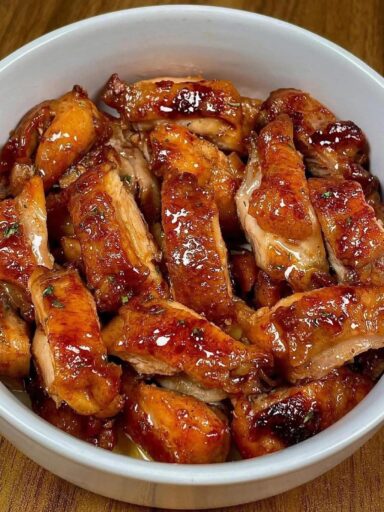
Cut the chicken into small pieces and place it in a bowl. Add ginger, lemon juice, black pepper, and olive oil. Mix well.
Heat a non-stick pan and cook the chicken until thoroughly cooked and lightly browned.
Steam or lightly cook the vegetables until tender. Place the cooked rice in a bowl and add the vegetables and chicken. Finish with fresh coriander or parsley and another squeeze of lemon.
This meal provides protein and carbohydrates for energy while adding vegetables and healthy fat from olive oil.
2. Oatmeal with Banana, Chia, and Walnuts
Ingredients
-
½ cup rolled oats
-
1 cup milk or an unsweetened milk alternative
-
1 small banana
-
1 teaspoon chia seeds
-
1 tablespoon chopped walnuts
-
Cinnamon
-
1 teaspoon honey, optional
Method
Place the oats and milk in a saucepan. Cook gently until the oats become soft and creamy.
Slice the banana and add it on top. Sprinkle with chia seeds, walnuts, and cinnamon.
Add a small amount of honey if additional sweetness is needed.
This is a convenient breakfast when you want something warm and filling. Oats provide carbohydrates and fiber, while walnuts and chia seeds provide healthy fats.
3. Salmon and Roasted Vegetable Plate
Ingredients
-
120–150 g salmon
-
1 small carrot
-
½ cup cauliflower
-
½ cup zucchini
-
1 teaspoon olive oil
-
Lemon juice
-
Garlic
-
Black pepper
-
Fresh herbs
Method
Preheat the oven to 200°C (400°F).
Place the salmon and vegetables on a baking tray. Drizzle lightly with olive oil and season with garlic, black pepper, lemon juice, and herbs.
Bake until the salmon is cooked through and flakes easily with a fork and the vegetables are tender.
Serve immediately.
Salmon provides protein and omega-3 fatty acids. Including fish regularly can be part of a heart-healthy eating pattern.
4. Lentil and Vegetable Soup
Ingredients
-
½ cup cooked lentils
-
1 carrot, chopped
-
½ cup cabbage
-
½ cup zucchini
-
1 small onion
-
1 teaspoon olive oil
-
½ teaspoon cumin
-
Black pepper
-
Fresh coriander
-
2–3 cups water or low-sodium stock
Method
Heat the olive oil in a pot. Add the onion and cook gently.
Add the carrot, cabbage, zucchini, lentils, cumin, and water. Bring to a gentle boil and then reduce the heat.
Simmer until the vegetables are tender.
Add black pepper and fresh coriander before serving.
This soup can be made in a larger batch and refrigerated for convenient meals during days when cooking feels difficult.
5. Egg and Vegetable Breakfast Wrap
Ingredients
-
2 eggs
-
½ cup chopped vegetables such as cabbage, bell pepper, or zucchini
-
1 small whole-grain tortilla or flatbread
-
1 teaspoon olive oil
-
Black pepper
-
Fresh herbs
Method
Heat the oil in a non-stick pan. Add the vegetables and cook until slightly tender.
Beat the eggs and pour them into the pan. Stir gently until completely cooked.
Place the mixture inside the tortilla or flatbread and add fresh herbs.
This meal takes only a few minutes to prepare and provides protein that can help make breakfast more satisfying.
6. Yogurt, Fruit, and Nut Bowl
Ingredients
-
¾–1 cup plain yogurt
-
½ cup berries or another suitable fruit
-
1 tablespoon walnuts
-
1 teaspoon chia seeds
-
Cinnamon
Method
Place the yogurt in a bowl. Add the fruit, walnuts, chia seeds, and cinnamon.
Avoid heavily sweetened flavored yogurts if you are trying to reduce added sugar.
This is useful as a quick breakfast, snack, or light meal.
7. Simple Chickpea Salad
Ingredients
-
½–1 cup cooked chickpeas
-
Cucumber
-
Tomato
-
Carrot
-
Fresh coriander
-
1 tablespoon lemon juice
-
1 teaspoon olive oil
-
Black pepper
Method
Combine the chickpeas and chopped vegetables in a bowl. Add lemon juice, olive oil, and black pepper.
Mix thoroughly and serve immediately.
For a more substantial meal, serve with a small portion of whole-grain bread or rice.
Easy Meal-Planning Strategy
Fibromyalgia can be associated with fatigue and pain, so complicated recipes may not always be practical. Consider preparing several basic ingredients at once.
For example, cook a batch of rice, roast or steam several portions of vegetables, and prepare chicken or another protein source. Store the ingredients safely in the refrigerator and combine them into different meals throughout the week.
Frozen vegetables can also be useful. They require little preparation and can be cooked quickly.
Keep simple foods available for difficult days, such as:
-
Eggs
-
Oats
-
Plain yogurt
-
Fresh or frozen vegetables
-
Canned beans or lentils with no added salt or rinsed thoroughly
-
Fresh or frozen fish
-
Chicken
-
Fruit
-
Nuts and seeds
-
Rice or whole-grain bread
Foods to Limit
There is no universal list of foods that people with fibromyalgia must avoid. Nevertheless, it is generally reasonable to limit foods that provide lots of calories but relatively few nutrients.
Examples include:
-
Highly processed snack foods
-
Sugary drinks
-
Large amounts of sweets
-
Processed meats
-
Excessively salty foods
-
Frequent deep-fried foods
-
Heavy alcohol consumption
Rather than eliminating many foods at once, pay attention to your own response. A food diary can help you identify patterns between particular foods, meals, sleep, digestive symptoms, and how you feel.
A Simple One-Day Meal Plan
Breakfast: Oatmeal with banana, chia seeds, walnuts, and cinnamon.
Lunch: Ginger lemon chicken rice bowl with vegetables.
Snack: Plain yogurt with fruit and walnuts.
Dinner: Baked salmon with roasted vegetables and rice.
Evening: Water or a caffeine-free herbal tea if desired.
The portions should be adjusted according to your appetite, nutritional needs, activity level, and any medical conditions.
Final Thoughts
A fibromyalgia-friendly meal does not need to be complicated. A useful basic formula is:
Protein + vegetables or fruit + a source of whole-food carbohydrates + healthy fat.
For example, chicken with rice and vegetables, salmon with roasted vegetables, oatmeal with nuts and fruit, or lentil soup with vegetables can all fit into a balanced eating pattern.
There is no established diet that cures fibromyalgia, and dietary responses are individual. If you have other conditions such as diabetes, kidney disease, high blood pressure, food allergies, or gastrointestinal problems, your meal plan may need additional modifications. A registered dietitian can help create an individualized plan while ensuring that you receive enough calories, protein, vitamins, and minerals.