
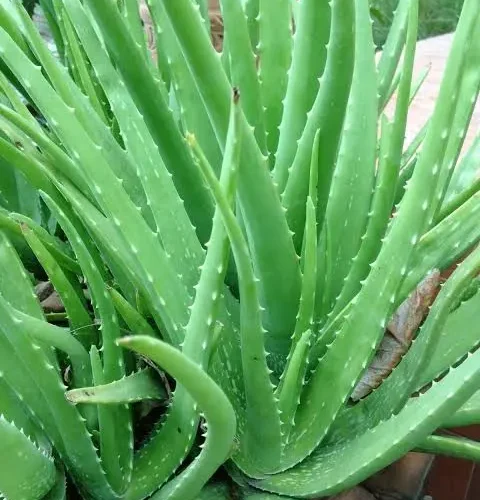
Aloe vera is one of the most popular plants used in natural skincare and traditional home remedies. It grows in warm climates and is easy to recognize because of its thick, green, fleshy leaves. When you cut one of these leaves open, you will find a clear, slippery gel inside.
For generations, people have used this gel to moisturize dry skin, soothe minor irritation, and care for their hair and scalp. Aloe vera contains water, amino acids, enzymes, and various plant compounds that make it a common ingredient in many beauty products.
Although aloe vera has several interesting uses, not every health claim about this plant is supported by strong research. Here are 11 ways it may support everyday care when used properly.
1. Soothing Minor Burns and Sunburn
Aloe vera is often kept at home because its fresh gel feels cool when applied to the skin. It may help soothe mild sunburn and provide temporary relief from warmth, redness, and dryness.
Apply a thin layer of plain aloe vera gel to clean, mildly sunburned skin. Avoid putting it on severe burns, deep wounds, or large blisters. Serious burns need proper medical attention.
2. Caring for Acne-Prone Skin
People with oily or blemish-prone skin often look for lightweight skincare ingredients. Aloe vera gel is water-based and does not feel as heavy as many thick creams.
It may help calm temporary redness and provide moisture without leaving a greasy feeling. However, aloe vera is not a proven acne cure. For stubborn pimples, painful spots, or frequent breakouts, a dermatologist can recommend suitable treatment.
3. Supporting Digestive Comfort
Aloe vera is sold in different drinks and supplements that are marketed for digestive wellness. However, drinking aloe products requires caution.
The outer part of the leaf contains yellow latex, which can contain aloin. This substance may cause stomach cramps, diarrhea, and dehydration. Even homemade preparations may contain unwanted traces.
There is not enough reliable evidence to recommend aloe vera for heartburn, indigestion, or other digestive conditions. Avoid using it as a home treatment for ongoing stomach problems.
4. Understanding Its Traditional Use for Constipation
Aloe latex has traditionally been used for constipation because it can stimulate bowel movements. However, this effect can be harsh and may lead to cramps, diarrhea, and an imbalance of important body salts.
For this reason, homemade aloe latex is not a safe constipation remedy. Drinking water, eating fibre-rich foods, and maintaining regular physical activity are better starting points. Consult a healthcare professional if constipation continues.
5. Research on Blood Sugar Levels
Some early studies have investigated whether aloe vera products may influence blood glucose levels in people with type 2 diabetes.
The findings are not strong enough to establish aloe vera as a diabetes treatment. People who use insulin or blood sugar-lowering medicines should be especially careful with aloe supplements because of possible interactions.
Always follow your prescribed diabetes care plan.
6. Possible Effects on Cholesterol
Researchers have also studied aloe vera for its possible effects on blood fats, including LDL cholesterol and triglycerides.
Some small studies have reported changes, but the evidence remains limited. Aloe vera should not replace cholesterol medication or other treatments recommended by a doctor.
A healthy eating pattern, regular movement, and medical follow-up are more reliable ways to manage cholesterol.
7. Supporting General Heart Wellness
Aloe vera contains small quantities of minerals such as potassium and magnesium. These nutrients are important for normal body functions, but using aloe vera has not been proven to lower high blood pressure.
For better cardiovascular health, include fruits, vegetables, whole grains, and other nutritious foods in your diet. Regular exercise, good sleep, and appropriate medical care also matter.
8. Moisturizing Dry and Itchy Skin
One of the most familiar uses of aloe vera is moisturizing the skin. The clear gel contains a high amount of water, giving it a light and refreshing texture.
Some people apply it to areas affected by mild dryness or temporary irritation. It may help the skin feel softer and more comfortable.
However, aloe vera can cause irritation or allergic reactions in some people. Test it on a small area first. Persistent rashes, eczema, or skin infections should be assessed by a healthcare professional.
9. Keeping Skin Soft and Hydrated
As skin loses moisture, it can begin to feel rough, tight, or flaky. Aloe vera gel can provide a light layer of hydration and is commonly used in facial gels and moisturizers.
Its plant compounds have antioxidant properties, but there is not enough evidence to say that applying aloe vera prevents wrinkles or reverses skin aging.
For everyday skin protection, use a suitable moisturizer and broad-spectrum sunscreen.
10. Moisturizing the Hair and Scalp
Aloe vera is also used in homemade hair masks and commercial hair products. Its smooth gel can make the scalp and hair feel moisturized.
Some people use it when their scalp feels dry or flaky. However, it has not been proven to regrow lost hair or treat every type of dandruff.
If you experience ongoing scalp irritation, heavy flaking, or unusual hair loss, seek advice from a dermatologist.
11. Oral Care and Mouth Comfort
Aloe vera is included in some mouth rinses and oral-care products. Early research has explored its possible role in soothing minor mouth irritation, but more studies are needed.
Do not put raw aloe latex or untested homemade preparations inside your mouth. Mouth ulcers that keep returning, bleeding gums, or persistent pain should be checked by a dentist.
Fresh Homemade Aloe Vera Gel: Step-by-Step Recipe
Fresh aloe vera gel is simple to prepare at home. You only need a healthy leaf and a few basic kitchen tools.
This recipe is designed for external skincare use only. Homemade aloe gel is not sterile, has no preservative, and should never be treated as a medicine or drinking juice.
Preparation Time
- Preparation: 15–20 minutes
- Draining time: 15–30 minutes
- Total time: Approximately 30–50 minutes
- Yield: About ½ cup, depending on the leaf size
Ingredients
- 1 large, fresh aloe vera leaf
- Clean drinking water for rinsing
- 1 clean glass bowl
- 1 sharp kitchen knife
- 1 clean spoon
- 1 blender (optional)
- 1 clean airtight glass container
How to Prepare Fresh Aloe Vera Gel
Step 1: Select a Fresh Leaf
Choose a thick, mature leaf from a healthy aloe vera plant. It should be firm and green, without signs of rot, mould, or disease.
Avoid using leaves from plants that have been exposed to pesticides or unknown chemicals.
Step 2: Clean the Leaf Properly
Wash the leaf under running water to remove dust and dirt. Dry it with a clean kitchen towel.
Make sure your hands, knife, cutting board, and other equipment are also clean.
Step 3: Allow the Yellow Latex to Drain
Cut off the bottom end of the leaf and place it upright in a bowl for around 15–30 minutes.
You may notice a yellow liquid coming out. This is aloe latex, which can contain aloin. It can cause digestive irritation and should not be included in homemade aloe preparations.
Step 4: Remove the Spiky Edges
Place the leaf flat on a clean cutting board. Carefully cut away both sides to remove the sharp edges.
Take your time so you do not accidentally mix the green outer skin or yellow sap with the clear gel.
Step 5: Peel Away the Green Skin
Slice through the upper green layer using a clean knife. Gently lift the skin away to expose the transparent inner flesh.
Turn the leaf over and remove the remaining green layer. You should now be able to see the clear gel.
Step 6: Scoop Out the Gel
Use a clean spoon to collect the clear inner gel. Place it in a clean glass bowl.
Check the gel carefully and remove any pieces of green skin or yellow residue.
Step 7: Blend the Gel (Optional)
If you want a smoother consistency, transfer the gel into a clean blender.
Blend for a few seconds until it becomes more liquid and even. Avoid blending for too long because this can create a lot of foam.
You can skip this step if you prefer the natural gel texture.
Step 8: Store It Properly
Transfer the prepared gel into a clean, airtight glass container.
Place it in the refrigerator immediately. Make only a small quantity because fresh aloe gel has no preservative and can spoil quickly.
How to Use Homemade Aloe Vera Gel
- Wash and dry the area of skin where you plan to apply it.
- Take a small amount of gel using clean hands or a spoon.
- Spread a thin layer over the desired area.
- Leave it on for approximately 10–15 minutes.
- Rinse with cool water if you prefer.
- Stop using it immediately if you notice burning, itching, redness, or swelling.
Before applying it to a larger area, test a small amount on your inner arm and wait 24 hours.
Helpful Tips for Making Aloe Gel
- Always select a healthy, mature aloe leaf.
- Use only the clear inner gel.
- Keep the yellow latex and green outer skin out of the preparation.
- Do not use dirty knives, bowls, or spoons.
- Avoid adding lemon juice, perfume, or baking soda.
- Do not apply homemade gel to open wounds or infected skin.
- Never assume that natural ingredients are safe for everyone.
How to Store Fresh Aloe Vera Gel
Fresh aloe vera gel does not contain the preservatives found in commercial skincare products. This means it can spoil more quickly.
Keep it in an airtight container in the refrigerator at 4°C or below. As a cautious home-use guideline, prepare only enough for a few days and discard the rest promptly. Throw it away sooner if it develops an unusual smell, colour, or texture.
You can also freeze small portions in a clean ice-cube tray. Freezing may help with storage, but it does not make the gel sterile.
Frequently Asked Questions
1. Can I use aloe vera gel on my face?
Yes, some people use plain aloe vera gel as a light moisturizer. However, it may irritate sensitive skin. Always perform a patch test before using it on your face.
2. Can aloe vera help with dry skin?
Aloe vera can provide moisture and may make dry skin feel softer. For very dry skin, you may need a moisturizer that helps lock in moisture.
3. Is fresh aloe vera gel safe to drink?
Homemade aloe preparations may contain aloin and other latex compounds that can cause cramps, diarrhea, and other side effects. It is best not to drink homemade aloe gel.
4. Can aloe vera stop hair loss?
There is no strong scientific evidence that aloe vera stops hair loss or makes new hair grow. It may be used as a scalp moisturizer, but persistent hair loss needs proper assessment.
5. Can I use aloe vera every day?
Some people tolerate aloe vera well, but daily use is not necessary. Begin with a small amount and stop if you experience any unwanted reaction.
6. How long can I keep homemade aloe vera gel?
Keep it refrigerated in a clean, airtight container and make small batches. Use it within a few days as a cautious guideline, and discard it if its appearance or smell changes.
Final Words
Aloe vera is a versatile plant with many traditional uses, especially in skincare and personal care. Its clear inner gel can provide a refreshing, moisturizing feeling and is easy to prepare at home.
Still, it is important to use it carefully. Aloe vera is not a cure for diabetes, high cholesterol, high blood pressure, or digestive problems. Choose safe products, avoid swallowing homemade preparations, and seek medical advice when you have a health concern.