Have you ever noticed a small green plant spreading across your garden and wondered what it was? It might be common mallow, a wild plant that many people remove without knowing that its leaves have been used in traditional cooking for generations.
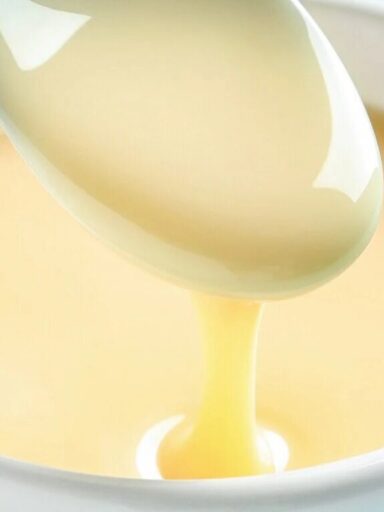
Common mallow is known for its soft leaves and natural mucilage. When the leaves are crushed or soaked in water, they release a slippery substance that creates a thick, gel-like texture. This natural property makes mallow useful in different homemade recipes, including soups, sauces, and herbal preparations.
One interesting way to use this plant is by making homemade mallow jelly. With fresh leaves, clean water, and a few simple ingredients, you can prepare either a soft plant-based gel or a firmer jelly that can be cut into small pieces.
Mallow has also been used traditionally in soothing preparations for the throat and digestive system. However, scientific research on its medicinal effects in humans is limited, so it is best enjoyed as a traditional food ingredient rather than a treatment for health problems.
Getting to Know the Common Mallow Plant
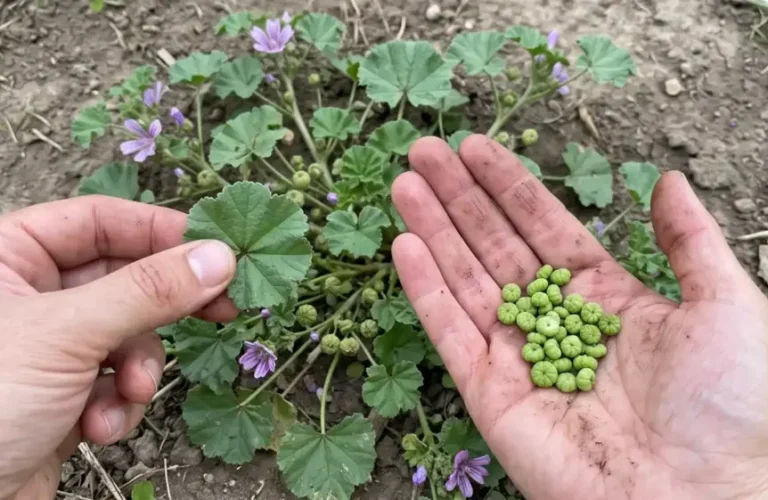
Common mallow, scientifically known as Malva neglecta, is a low-growing wild plant found in gardens, lawns, fields, and other open spaces. It belongs to the Malvaceae family, which also includes plants such as hibiscus and okra.
Its leaves are usually rounded with slightly wavy or scalloped edges. The plant produces small flowers and distinctive round seed pods that resemble little wheels.
Another related species is Malva sylvestris, commonly called high mallow or wood mallow. It has a taller growth habit and larger flowers.
Both species have a history of traditional food use, but it is important to identify the exact plant before harvesting it for consumption.
Two Types of Mallow You May Find
1. Common Mallow (Malva neglecta)
<escape>Malva neglecta</escape> usually grows close to the ground and spreads outward rather than growing into a tall plant.
Some of its noticeable features include:
- Round or kidney-shaped green leaves
- Soft, scalloped leaf edges
- Small pale pink, white, or light purple flowers
- Flat, round seed pods that resemble small cheese wheels
- A spreading growth pattern
The plant is sometimes called cheeseweed because of the appearance of its seed pods.
2. High Mallow (Malva sylvestris)
<escape>Malva sylvestris</escape> is generally taller and more upright than common mallow. Under suitable conditions, it may grow between two and four feet tall.
You can recognize it by its:
- Larger leaves with several rounded sections
- Purple or pink flowers with darker lines
- Upright stems
- Round seed pods
Both plants belong to the mallow family and contain natural mucilage. Their leaves have a mild flavour and can be used in certain traditional recipes.
Plant identification matters: Do not eat a wild plant simply because it looks similar to a photograph. Confirm its identity using several features or ask an experienced plant expert for help.
What Makes Mallow Leaf Jelly Special?
Mallow leaf jelly is made by extracting the natural mucilage from fresh leaves. This plant substance absorbs water and creates a thick, slippery consistency.
Unlike ordinary leafy vegetables, mallow releases a noticeable amount of this gel-like material when crushed, blended, or soaked.
There are two simple ways to prepare it at home.
1. Firm Mallow Jelly
This version uses agar-agar, a plant-based setting ingredient. It creates a firm texture that can be cut into cubes and served as a sweet or savoury dish.
2. Cold-Infused Mallow Gel
This preparation uses only fresh leaves and water. The leaves are soaked for several hours to release their natural mucilage. The result is a soft gel rather than a firm jelly.
Both preparations have a mild plant flavour, so you can add a little honey, lemon, or other ingredients depending on how you want to serve them.
Traditional Uses and Natural Properties of Mallow
Mallow leaves have been used in traditional food and herbal preparations for a long time. Their natural mucilage, fibre, and plant compounds make them an interesting ingredient.
Here are some of the properties associated with this plant.
1. Naturally Rich in Mucilage
One of the most noticeable features of mallow leaves is their mucilage content. When mixed with water, it creates a smooth, slippery substance.
This natural texture makes mallow useful for thickening certain foods and preparing traditional gel-like mixtures.
2. Traditionally Used for Throat Comfort
Mallow has a history of use in traditional preparations for dry and irritated throats. Its slippery texture may provide temporary soothing comfort.
However, it has not been proven that homemade mallow jelly can cure coughs, infections, or other throat conditions.
3. Provides Plant Fibre
The leaves contain dietary fibre, which contributes to a healthy eating pattern. Fibre supports normal bowel function and helps maintain digestive regularity.
Keep in mind that straining the leaves removes much of the solid plant material, so the finished gel may contain less fibre than the whole leaves.
4. Contains Natural Antioxidants
Mallow leaves contain several plant compounds, including flavonoids and phenolic compounds. These substances have antioxidant properties and are being studied for their possible effects on health.
More human research is needed before specific health benefits can be confirmed.
5. Used in Traditional Skin Preparations
Some traditional practices use mallow leaves in simple preparations for dry or irritated skin. The watery gel may feel cool when applied externally.
However, homemade plant mixtures are not sterile and should not be used on open wounds, infected areas, or serious skin conditions.
6. Can Be Included in Traditional Meals
Young mallow leaves are used as food in some cultures. They can be cooked with other vegetables, added to soups, or included in different homemade dishes.
Always make sure the plant is correctly identified and harvested from a clean environment.
How to Collect Fresh Mallow Leaves
The quality of your homemade jelly depends on the leaves you choose. A little care during harvesting can help you avoid damaged or contaminated plant material.
Pick Fresh and Tender Leaves
Choose green, healthy leaves that are free from mould, yellow patches, and insect damage. Young leaves are usually softer and easier to prepare.
Avoid collecting leaves that look dry, dirty, or unhealthy.
Look for Signs of Plant Disease
Mallow plants can develop a fungal problem called mallow rust. It may appear as small orange, brown, or rusty spots, especially on the undersides of leaves.
Leave any affected leaves behind.
Harvest Away From Pollution
Avoid picking plants from roadsides, industrial locations, parking areas, or places where chemicals may have been used.
Do not collect leaves from fields treated with pesticides or herbicides. Also avoid areas where animals frequently leave waste.
Choose the Right Season
Mallow can produce fresh leaves during much of its growing season. Spring and early summer are often good times to find tender new growth.
Take only the amount you need and leave enough of the plant behind.
Wash the Leaves Properly
Once collected, rinse the leaves thoroughly under clean running water. Remove dirt, insects, damaged parts, and tough stems before using them.
Remember that washing does not remove every possible contaminant. The location where the plant grows is just as important as cleaning it.
Recipe 1: Firm Homemade Mallow Leaf Jelly
This recipe creates a soft but sliceable jelly using fresh mallow extract and agar-agar. You can enjoy it as a simple dessert or use it in creative food combinations.
Ingredients
- 120 g fresh mallow leaves (approximately 4 packed cups), tough stems removed
- 1 litre drinking water, divided
- 8 g agar-agar powder (approximately 1 level tablespoon, depending on the brand)
- ¼ teaspoon baking soda for washing, optional
- 2 tablespoons honey or maple syrup, optional
- 1 tablespoon fresh lemon juice, optional
Preparation Instructions
Step 1: Clean the Mallow Leaves
Place the leaves in a large bowl of water and rinse them carefully to remove dirt and dust.
You can use plain clean water for washing. Remove any damaged leaves and tough stems before continuing.
Step 2: Blanch the Leaves Briefly
Bring a saucepan of water to a boil. Add the leaves and blanch them for around 10–15 seconds.
Immediately transfer them into cold water to stop the cooking process. Drain them well before blending.
Step 3: Blend Until Smooth
Place the blanched leaves into a blender. Add 750 ml (3 cups) of clean drinking water.
Blend for approximately one minute until the mixture becomes smooth and evenly combined.
Step 4: Extract the Mallow Liquid
Set a fine-mesh strainer over a clean bowl. Pour the blended mixture through it.
Press the remaining pulp gently with a spoon or clean hands to collect as much liquid as possible. Remove the leftover solid material.
Step 5: Prepare the Agar Mixture
Pour the remaining 250 ml (1 cup) of water into a small saucepan.
Add the agar-agar powder and stir well. Bring the mixture to a boil while stirring continuously. Follow the instructions on the agar package to ensure that it dissolves and activates properly.
Step 6: Mix Everything Together
Remove the agar mixture from the heat. Slowly pour in the strained mallow liquid while stirring continuously.
Add honey or maple syrup if you prefer a sweeter flavour. You can also add lemon juice for a little freshness.
Step 7: Allow the Jelly to Set
Pour the mixture into a clean glass dish or individual moulds.
Let it cool before placing it in the refrigerator. Chill until firm, then cut it into cubes or slices.
If the jelly does not set, check the agar quantity and preparation instructions on the package.
Recipe 2: Cold-Infused Mallow Gel
If you prefer a recipe without cooking or added setting agents, this method is a simple alternative. It uses water and fresh leaves to produce a naturally thick liquid.
Ingredients
- 2 cups fresh young mallow leaves
- 2 cups (500 ml) cool drinking water
Preparation Instructions
Step 1: Wash and Chop the Leaves
Rinse the fresh leaves carefully under clean running water. Remove damaged parts and tough stems.
Chop or tear the leaves into smaller pieces.
Step 2: Crush the Leaves Gently
Place the chopped leaves in a clean glass jar.
Use the back of a wooden spoon to press them gently for about one minute. This helps release the natural gel-like substance.
Step 3: Add Drinking Water
Pour the cool water into the jar, making sure the leaves are covered.
Close the lid and shake gently to mix everything.
Step 4: Leave It Overnight
Place the jar in the refrigerator for 8–12 hours.
During this time, the water may become thicker as the leaves release their mucilage.
Step 5: Strain the Mixture
The following day, pour the mixture through a clean fine-mesh strainer or cheesecloth.
Press the leaves gently to collect the liquid. Transfer the finished gel into a clean, covered container and keep it refrigerated.
This preparation is highly perishable. Make only a small quantity and discard it if you notice an unusual smell, colour, or appearance.
Different Ways to Enjoy Mallow Jelly
Once your jelly is ready, there are several ways to serve it. The firm version works well in desserts and savoury dishes, while the soft gel can be used in small amounts in suitable food preparations.
1. Make a Simple Sweet Dessert
Cut the firm jelly into small cubes and place them in a serving bowl.
Add fresh berries, coconut milk, or a small drizzle of honey. A few mint leaves can also give it a fresh finish.
2. Add It to Homemade Drinks
Small jelly cubes can be added to iced herbal tea, homemade lemonade, or fruit-based drinks.
They give the drink an interesting texture and make it look more colourful.
3. Prepare a Savoury Mallow Bowl
If you prefer savoury flavours, keep the jelly plain and combine it with chopped cucumber.
Add a little olive oil, apple cider vinegar, and a pinch of salt. Mix gently and serve as a light side dish.
4. Add the Soft Gel to Suitable Recipes
The cold-infused version can be mixed into certain homemade food preparations if you enjoy its natural texture.
Use clean utensils and keep the preparation refrigerated until needed.
5. Traditional External Use
Mallow has traditionally been used in some simple skin preparations. However, fresh homemade gel is not sterile.
Do not apply it to open cuts, serious burns, infected skin, or broken areas. Test a small patch of healthy skin first and stop if irritation develops.
How to Store Homemade Mallow Jelly
Since both recipes contain fresh leaves and water, proper storage is important.
Refrigerator Storage: Place the finished jelly or gel in a clean, covered container. Keep it refrigerated at 4°C (40°F) or below. As a cautious guideline, use it within 3–4 days.
Freezing the Firm Jelly: Agar-based jelly may become watery or change texture after freezing and thawing. For this reason, refrigeration is a better option if you want to maintain its original texture.
Freezing the Soft Gel: The cold-infused gel can be frozen in small portions, although its texture may change after thawing. For best quality, use frozen portions within about 3 months.
Always discard any preparation that shows signs of spoilage. Do not taste it to check whether it is still safe.
Safety Precautions Before Using Mallow
Mallow has a history of culinary use, but wild plants and concentrated homemade preparations should still be handled carefully.
1. Make Sure You Have the Correct Plant
Never collect leaves for eating unless you are confident about the species. Similar-looking wild plants can be difficult for beginners to distinguish.
Use a reliable plant identification guide or seek help from someone with botanical knowledge.
2. Consider Possible Medication Interactions
Mallow contains mucilage, which may affect the absorption of some medicines. The exact effect and timing are not well established for every preparation or medication.
If you take regular prescription medicines or supplements, ask a pharmacist before using concentrated mallow gel.
3. Begin With a Small Amount
If you are trying mallow as food for the first time, start with a small culinary portion.
Some people may experience bloating or digestive discomfort when introducing unfamiliar fibre-rich foods.
4. Watch for Allergic Reactions
Avoid using mallow if you have a known allergy to the plant. Stop immediately if you develop itching, swelling, or a rash.
Seek emergency help if you experience breathing difficulty or swelling of the face or throat.
5. Pregnancy and Breastfeeding
There is limited safety information about concentrated mallow preparations during pregnancy and breastfeeding. Speak with a healthcare professional before using them for medicinal purposes.
6. Maintain Clean Preparation Conditions
Use clean water, washed leaves, clean utensils, and properly sanitised containers. Refrigerate the finished preparation promptly.
Never use leaves collected from areas that may be contaminated by chemicals, waste, or industrial pollution.
Frequently Asked Questions
1. Is common mallow an edible plant?
Some species, including Malva neglecta and Malva sylvestris, have traditionally been eaten in different cultures. However, correct identification and safe harvesting are essential before consuming any wild plant.
2. Why does mallow become thick when mixed with water?
Mallow leaves contain natural mucilage. This substance absorbs water and creates a slippery, gel-like consistency when the leaves are crushed or soaked.
3. Can I prepare mallow jelly without agar-agar?
Yes. You can make the cold-infused version using only fresh leaves and water. However, it produces a soft gel rather than a firm jelly that can be sliced.
4. Can I use dried mallow leaves?
Fresh leaves are recommended for the recipes in this article. Dried leaves may also release mucilage when soaked, but the final texture can be different.
5. Does mallow jelly have a strong flavour?
No. Properly prepared mallow has a mild, slightly green taste. Honey, lemon, berries, and other ingredients can be added to change the flavour.
6. How long can I keep homemade mallow gel?
Keep it in a covered container in the refrigerator and use it within 3–4 days as a cautious guideline. Discard it if you notice any signs of spoilage.
7. Can mallow jelly treat stomach problems?
There is not enough strong clinical evidence to confirm that homemade mallow jelly treats acid reflux, gastritis, constipation, or other digestive conditions. It should not replace medical care.
Final Thoughts
Common mallow is more than a plant that grows unnoticed in gardens and open spaces. Its leaves have a long history of culinary use, and their natural mucilage makes them suitable for interesting homemade preparations.
With two simple methods, you can turn fresh leaves into either a soft cold-infused gel or a firm jelly using agar-agar. You can serve the finished preparation with fruit, add small cubes to drinks, or experiment with savoury combinations.
The most important thing is to identify the plant correctly, harvest it from a clean location, and follow proper food-safety practices.
Disclaimer: This article is intended for educational and culinary purposes only. It is not medical advice and does not claim that mallow can prevent, treat, or cure any disease. Scientific evidence for the medicinal effects of homemade mallow preparations in humans remains limited. Consult a qualified healthcare professional before using concentrated herbal preparations, especially if you take medication, have an existing medical condition, or are pregnant or breastfeeding. Never consume a wild plant unless its identity has been confirmed.