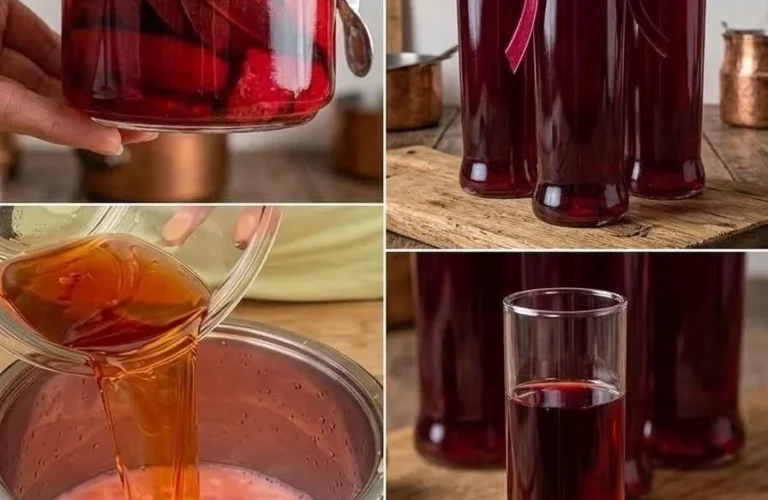
Fresh pomegranates are perfect for making a delicious homemade syrup. Their juicy red seeds have a sweet and slightly tart flavor that works beautifully in drinks, desserts, and breakfast recipes.
This Homemade Pomegranate Syrup uses just three simple ingredients: fresh pomegranate juice, granulated sugar, and lemon juice. When cooked together, they create a smooth, glossy syrup with a rich ruby-red color.
You don’t need any special equipment or cooking experience to make it. A blender, strainer, and saucepan are enough to prepare this recipe in your own kitchen.
Drizzle it over pancakes, mix it into sparkling water, stir it into yogurt, or use it as a topping for your favorite desserts. You can even pour it into a small glass bottle and give it as a homemade gift.
If you enjoy making fresh fruit recipes at home, this easy syrup is worth adding to your collection!
Ingredients You’ll Need
Prep Time: 15 minutes
Cook Time: 30–40 minutes
Total Time: 50–60 minutes
Yield: Approximately 1–1½ cups
- 4 cups fresh pomegranate seeds: Extracted from about 3–4 large pomegranates. These provide the main flavor and natural red color.
- 1 cup granulated sugar: Adds sweetness and helps the juice develop a thick syrup-like consistency.
- 2 tablespoons fresh lemon juice: Gives the syrup a bright citrus taste and balances the sweetness.
How to Make Homemade Pomegranate Syrup
Follow these simple steps to prepare your own fresh fruit syrup.
Step 1: Prepare the Pomegranates
Wash the pomegranates under cool running water and dry them with a clean towel.
Cut each fruit into sections and carefully remove the red seeds, also called arils. Place them in a large bowl and remove any pieces of white membrane because they can give the juice a bitter taste.
Step 2: Extract the Juice
Add the pomegranate seeds to a blender. Pulse them a few times until they release their juice.
Avoid blending for too long or crushing the hard inner seeds excessively, as this may affect the flavor.
Place a fine-mesh strainer over a large bowl and pour the mixture through it. Gently press the pulp with the back of a spoon to collect as much juice as possible.
Discard the remaining pulp and seeds. You should have around 2 cups of fresh juice, depending on the size and juiciness of the pomegranates.
Step 3: Combine the Ingredients
Pour the fresh pomegranate juice into a medium saucepan. Add the sugar and lemon juice.
Stir with a wooden spoon or heat-resistant spatula until everything is combined. Place the saucepan over medium heat and continue stirring until the sugar dissolves.
Step 4: Bring It to a Gentle Boil
Heat the mixture until small bubbles begin to appear on the surface. Once it starts boiling gently, reduce the heat to low.
Avoid a strong boil because the mixture may reduce too quickly or stick to the bottom of the pan.
Step 5: Simmer Until Thick
Let the mixture simmer uncovered for about 25–40 minutes. Stir every few minutes to prevent sticking.
As the liquid slowly reduces, its color will become darker and its texture will start to thicken.
Pay close attention during the final minutes because sugar-based mixtures can burn easily.
Step 6: Check the Consistency
Dip a clean spoon into the syrup and let a little cool. It should lightly coat the back of the spoon and flow more slowly than ordinary juice.
You can also place a small amount on a chilled plate and allow it to cool briefly. This makes it easier to judge how thick the syrup will become.
Remember that the syrup thickens further as it cools, so don’t cook it until it becomes extremely thick.
Step 7: Let It Cool
Turn off the heat and remove the saucepan from the stove. Allow the syrup to cool for around 20–30 minutes.
Be careful when handling hot syrup. Concentrated sugar mixtures can cause serious burns.
Step 8: Transfer to a Jar
Once the syrup has cooled, pour it into a clean, dry glass jar or bottle. A small funnel can make this step easier.
Close the lid tightly and place the jar in the refrigerator. Your homemade pomegranate syrup is ready to enjoy!
Why You’ll Love This Homemade Syrup
- Fresh fruit flavor: Made with real pomegranate juice instead of artificial fruit flavoring.
- Beautiful color: Fresh pomegranate juice gives it a deep ruby-red appearance.
- Sweet and tangy: Sugar balances the tart fruit flavor, while lemon adds a fresh citrus taste.
- Simple ingredients: Only three basic ingredients are needed.
- Many uses: Add it to drinks, desserts, yogurt, pancakes, and homemade sauces.
- Easy to adjust: You can change the sweetness and thickness to match your taste.
- Homemade goodness: You control what goes into the recipe.
Different Ways to Use Pomegranate Syrup
This syrup is useful in many recipes. Here are a few easy ways to enjoy it.
1. Add It to Cold Drinks
Mix one or two teaspoons of syrup into cold water or sparkling water. Add ice cubes and a little lemon juice for a refreshing drink.
It also works well in homemade mocktails and fruit beverages.
2. Drizzle Over Pancakes and Waffles
Use pomegranate syrup instead of your usual pancake topping. Its fruity, slightly tart flavor pairs nicely with waffles, French toast, and pancakes.
3. Stir It Into Yogurt
Add a little syrup to plain yogurt for a fruity twist. You can also combine it with granola, fresh fruit, and nuts to make a simple breakfast bowl.
4. Use It on Desserts
Drizzle it over cheesecake, ice cream, pudding, or homemade cakes. Its rich red color also makes desserts look more attractive.
5. Make a Simple Salad Dressing
Mix a teaspoon of pomegranate syrup with olive oil, lemon juice, and a little mustard. This creates a sweet and tangy dressing for fresh salads.
6. Add It to Homemade Sauces
A small amount can bring fruity sweetness to marinades, glazes, and savory sauces. It works especially well with ingredients that balance sweet and tangy flavors.
Tips for the Best Results
- Choose ripe pomegranates: Pick fruits that feel heavy for their size. They often have plenty of juicy seeds.
- Use fresh lemon juice: Freshly squeezed juice gives the syrup a brighter flavor.
- Don’t over-blend: Pulse the seeds briefly to release the juice without crushing the hard inner seeds too much.
- Choose a wide saucepan: A wider pan allows liquid to evaporate more easily and may reduce cooking time.
- Stir regularly: This helps prevent the sugar from sticking to the bottom.
- Watch the heat: Keep the mixture at a gentle simmer, especially near the end.
- Let it cool before checking: The syrup becomes thicker as it cools, so avoid overcooking it.
- Adjust the sweetness: You can reduce the sugar if your pomegranates are naturally sweet, but this may affect the final consistency and storage life.
Easy Pomegranate Syrup Variations
Want to try a different flavor? These simple additions can give your syrup a new taste.
1. Cinnamon Pomegranate Syrup
Add one small cinnamon stick while the mixture simmers. Remove it before transferring the syrup to a jar.
2. Ginger Pomegranate Syrup
Add a few thin slices of fresh ginger for a warm, slightly spicy flavor. Strain them out before storing.
3. Orange Pomegranate Syrup
Add a little fresh orange juice for a sweeter citrus taste. Since this adds more liquid, the cooking time may change.
4. Vanilla Pomegranate Syrup
Stir in a small amount of vanilla extract after removing the saucepan from the heat.
5. Less-Sweet Pomegranate Syrup
Reduce the sugar if you prefer a more tart flavor. Keep in mind that the syrup may be thinner and may not keep as long.
How to Store Homemade Pomegranate Syrup
Proper storage helps keep your homemade syrup fresh. Since this recipe does not use a tested canning or preservation process, it should not be treated as shelf-stable.
- Use a thoroughly cleaned and dried glass jar.
- Allow the syrup to cool before transferring it.
- Close the container tightly.
- Keep it refrigerated at 4°C (40°F) or below.
- Always use a clean spoon when serving.
- For this homemade version, aim to use it within about 1–2 weeks.
- Check for unusual smells, mold, fermentation, or other signs of spoilage before using.
The actual storage time depends on the final sugar concentration, acidity, preparation method, and cleanliness of the container.
For longer storage, freeze the syrup in small freezer-safe portions. Thaw it in the refrigerator when needed.
Estimated Nutrition Information
The following values are approximate and depend on the amount of syrup produced and the ingredients used.
Estimated nutrition per 2-tablespoon serving:
| Nutrient | Approximate Amount |
|---|---|
| Calories | 65–80 kcal |
| Carbohydrates | 16–20 g |
| Total Sugars | 15–19 g |
| Protein | 0–0.5 g |
| Fat | 0 g |
| Fiber | 0 g |
| Sodium | 0–2 mg |
These values are estimates. Most of the fiber from the pomegranate seeds is removed during straining. The syrup also contains added sugar, so enjoy it in moderate amounts.
Frequently Asked Questions
1. Can I Make Pomegranate Syrup Without a Blender?
Yes. You can use a suitable juicer or gently crush the seeds with a potato masher. Then strain the juice through a fine-mesh strainer to remove the pulp and seeds.
2. Why Does My Syrup Become Very Thick After Cooling?
This usually happens when too much liquid evaporates during cooking. The syrup becomes more concentrated as it reduces and thickens further when cooled. Try reducing the cooking time next time.
3. Can I Use Bottled Pomegranate Juice?
Yes. Unsweetened bottled pomegranate juice can replace fresh juice. Check the label for added sugar and adjust the amount of sugar in the recipe if necessary.
4. Can I Use Less Sugar?
Yes. You can reduce the sugar to suit your taste. However, sugar affects the syrup’s thickness and preservation, so using less may change its texture and storage life.
5. How Do I Know When the Syrup Is Ready?
The syrup should lightly coat the back of a spoon and flow more slowly than regular juice. It will thicken as it cools, so avoid reducing it too much.
6. Can I Freeze Homemade Pomegranate Syrup?
Yes. Let it cool completely and place it in a freezer-safe container. Leave a little space at the top for expansion. Thaw it in the refrigerator before using.
7. Is Homemade Pomegranate Syrup Healthy?
It contains real pomegranate juice, but it also has added sugar. Straining removes most of the fruit’s fiber, so it is best enjoyed as a topping or sweetener rather than a health supplement.
8. Can I Add It to Tea?
Yes. Add a small amount to warm or iced tea for a fruity, sweet-and-tangy flavor. Adjust the quantity to your liking.
Homemade Pomegranate Syrup Recipe Card
Prep Time: 15 minutes
Cook Time: 30–40 minutes
Cooling Time: 20–30 minutes
Total Time: Approximately 50–60 minutes, plus cooling
Yield: About 1–1½ cups
Course: Syrup, Condiment
Difficulty: Easy
Ingredients
- 4 cups fresh pomegranate seeds
- 1 cup granulated sugar
- 2 tablespoons fresh lemon juice
Instructions
- Wash the pomegranates and remove the red seeds, discarding the white membrane.
- Place the seeds in a blender and pulse briefly to release their juice.
- Strain the mixture through a fine-mesh strainer into a bowl.
- Pour approximately 2 cups of fresh pomegranate juice into a saucepan.
- Add the sugar and lemon juice.
- Heat over medium heat, stirring until the sugar dissolves.
- Bring the mixture to a gentle boil, then reduce the heat.
- Simmer uncovered for about 25–40 minutes, stirring regularly.
- Check the consistency using a clean spoon or chilled plate.
- Remove from the heat and allow the syrup to cool.
- Transfer to a clean, dry glass jar.
- Close tightly and refrigerate.
Final Thoughts
Homemade Pomegranate Syrup is a simple way to enjoy the fresh flavor of pomegranates in a different form. With just three ingredients, you can make a beautiful red syrup that adds a sweet and tangy touch to drinks, desserts, pancakes, and more.
It is easy to prepare, simple to customize, and a lovely addition to your homemade recipes. Make a batch when pomegranates are in season, store it properly in the refrigerator, and enjoy a little fruity flavor whenever you need it.
Happy cooking!