
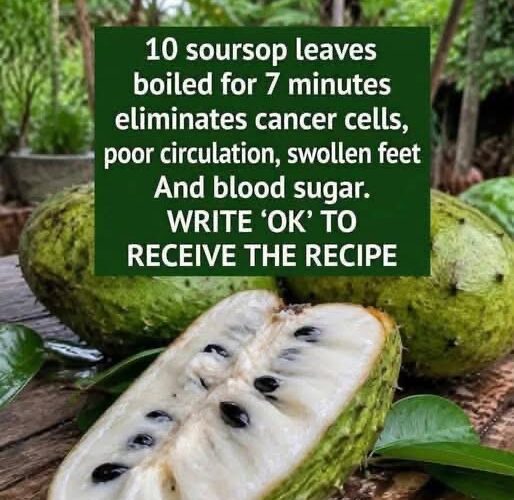
Soursop is a tropical plant famous for its green, spiky fruit and soft, white flesh. While the fruit is commonly enjoyed fresh or in juices, the leaves are also used in traditional herbal practices. One popular preparation is soursop leaf tea, which is made by steeping or simmering the leaves in water.
Some people use this herbal drink as part of their wellness routine because of the plant’s natural compounds. Researchers have investigated soursop for several possible health effects, but many claims about curing diseases or treating specific symptoms remain unproven in humans.
In this article, we will explore what soursop leaf tea is, its traditional uses, potential benefits, nutritional information, and important safety precautions.
What Is Soursop Leaf Tea?
Soursop, scientifically known as Annona muricata, is a tropical tree also called graviola or guanabana. It grows in various tropical regions, and its fruit is used in drinks, desserts, and other foods.
Soursop leaf tea is prepared by extracting compounds from the leaves into hot water. Unlike eating the fruit, drinking the tea does not provide the same nutritional benefits. Its composition depends on the quality of the leaves, how the drink is prepared, and how much plant material dissolves into the water.
Although soursop has a long history of traditional use, traditional practices alone do not establish that a remedy is effective or safe for treating medical conditions.
Potential Benefits of Soursop Leaf Tea
Soursop contains several naturally occurring plant compounds, including phenolic compounds and acetogenins. Scientists have studied some of these substances in laboratory and animal research.
However, there is not enough reliable human evidence to recommend soursop leaf tea for preventing or treating serious illnesses.
1. Contains Plant Compounds with Antioxidant Activity
Some laboratory studies have found antioxidant activity in soursop extracts. Antioxidants can help protect cells from oxidative damage under certain conditions.
However, laboratory findings do not necessarily translate into health benefits from drinking homemade tea. More human research is needed to understand whether soursop leaf tea provides meaningful benefits.
2. Being Studied for Possible Effects on Blood Sugar
Researchers have investigated certain soursop extracts for their possible effects on blood glucose levels. Much of this research is preliminary, and there is not enough reliable evidence to determine whether drinking the tea safely improves blood sugar control in people.
Anyone living with diabetes should continue following their prescribed treatment plan and seek medical advice before using soursop leaf products.
3. Laboratory Research into Cancer
Some compounds extracted from soursop have been studied for their effects on cancer cells in laboratory experiments. These findings are preliminary and do not demonstrate that soursop leaf tea prevents or cures cancer in humans.
People receiving cancer treatment should avoid relying on this tea as a remedy and consult their oncology team before using soursop supplements or concentrated leaf preparations.
4. Claims About Circulation and Swollen Feet
Soursop leaf tea is sometimes promoted online as a natural remedy for poor circulation or swollen feet. However, there is insufficient reliable clinical evidence to support these claims.
Swelling in the feet or ankles can have several causes, including medication side effects and problems involving the heart, kidneys, liver, or veins. Persistent swelling should be checked by a healthcare professional. Sudden swelling in one leg, especially with pain, redness, or warmth, requires urgent medical assessment.
How Is Soursop Leaf Tea Traditionally Prepared?
In traditional practices, soursop leaves are steeped or simmered in water to produce an herbal infusion. However, no standardized preparation or dose has been established as safe and effective for treating a medical condition.
The concentration of plant compounds can vary considerably between homemade preparations. For this reason, it is not possible to recommend a specific number of leaves or daily drinking schedule for medicinal purposes.
If you are considering this tea to manage a health problem, consult a qualified healthcare professional before using it.
Nutritional Information
Soursop leaf tea is primarily water. Its nutritional composition differs from that of the soursop fruit, and reliable nutrition data for homemade leaf tea are limited.
Estimated Nutrition per 1 Cup (240 ml)
| Nutrient | Approximate Amount |
|---|---|
| Calories | 0–5 kcal |
| Carbohydrates | 0–1 g |
| Sugars | 0 g |
| Protein | 0 g |
| Fat | 0 g |
| Fiber | 0 g |
| Sodium | 0–5 mg |
These figures are rough estimates for an unsweetened, strained herbal infusion, not verified laboratory values. Actual amounts may vary depending on preparation.
Adding honey, sugar, or other ingredients will change the nutritional content. Soursop leaf tea should not be considered a reliable source of essential vitamins or minerals.
Important Safety Precautions
Although soursop comes from a natural plant, its leaves contain biologically active compounds that may affect the body. Natural does not always mean harmless, particularly when a product is consumed regularly or in concentrated amounts.
1. Potential Nervous System Effects
Soursop contains compounds known as annonaceous acetogenins. Some research has raised concerns about possible neurological effects associated with certain compounds from plants in this family.
The exact risks associated with occasional homemade soursop leaf tea are not fully understood. However, uncertainty about long-term safety makes frequent or concentrated medicinal use a concern.
2. Possible Medication Interactions
The effects of medicinal soursop preparations on blood sugar and blood pressure are not fully established. People taking medicines for diabetes or high blood pressure should be especially cautious.
Speak with your doctor or pharmacist before using soursop leaf tea regularly, particularly if you take prescription medicines or other herbal supplements.
3. Pregnancy and Breastfeeding
There is insufficient reliable safety information about medicinal soursop leaf tea during pregnancy and breastfeeding. It is best to avoid medicinal use during these periods unless a qualified healthcare professional specifically advises otherwise.
4. Existing Health Conditions
People with kidney disease, liver disease, heart conditions, diabetes, or neurological disorders should seek medical advice before considering soursop leaf products.
Do not stop prescribed medication or delay medical treatment to try an herbal remedy.
Everyday Habits That Support Better Health
Instead of depending on one herbal drink, focus on everyday habits that have stronger evidence for supporting general well-being.
- Eat a balanced diet: Include vegetables, fruits, whole grains, legumes, and suitable sources of protein.
- Stay active: Choose regular physical activities that match your abilities and health needs.
- Drink enough fluids: Follow your healthcare professional’s advice if you have a fluid restriction.
- Monitor important health measures: Follow recommended checks for blood pressure, blood sugar, and cholesterol when appropriate.
- Get enough sleep: Maintain a consistent sleep schedule whenever possible.
- Seek help for persistent symptoms: Do not ignore unusual swelling, ongoing pain, or other unexplained changes in your health.
Frequently Asked Questions
1. Can soursop leaf tea cure cancer?
No reliable clinical evidence shows that soursop leaf tea cures cancer. It should never replace proven cancer treatments or medical advice.
2. Does soursop leaf tea help control blood sugar?
Its effects in humans remain uncertain. People with diabetes should consult their healthcare professional before considering medicinal use.
3. How many soursop leaves should be boiled for tea?
There is no medically validated number of leaves or preparation method proven to be both safe and effective for treating a health condition.
4. Can soursop leaf tea reduce swollen feet?
There is insufficient evidence to support this claim. Swelling may have an underlying medical cause, so persistent or unexplained symptoms should be assessed by a healthcare professional.
5. Is it safe to drink soursop leaf tea every day?
The long-term safety of regular medicinal consumption has not been adequately established. Frequent or concentrated use should not be assumed to be safe.
6. Is soursop fruit the same as soursop leaf tea?
No. The fruit and leaves have different compositions. Information about eating the fruit cannot automatically be applied to tea made from the leaves.
Final Thoughts
Soursop is a tropical plant with a long history of traditional use, and researchers continue to investigate its natural compounds. However, claims that soursop leaf tea cures cancer, controls diabetes, improves circulation, or reduces swollen feet are not supported by sufficient clinical evidence.
The tea’s nutritional value is limited, and its safety as a regular medicinal drink remains uncertain. Although natural herbal products may be part of some people’s traditions, they should not replace evidence-based medical care.
For long-term well-being, focus on balanced nutrition, suitable physical activity, and regular healthcare when needed. If you are considering soursop leaf tea for a particular health concern, speak with a qualified healthcare professional before using it.